
Emotional Regulation: Why Big Feelings Get in the Way of Learning
By: Corrina Schader, LEP
Owner of Mindful LEP
Website: www.mindful-LEP.com
Email: info@mindful-LEP.com
Phone: (408) 797-5597
Many parents come to Mindful LEP feeling confused about their child’s behavior at school or during homework. You might hear comments like, “They get upset very easily,” “They shut down when work gets hard,” or “Small things turn into big reactions.”
These moments are often connected to a skill called emotional regulation. When children struggle to manage big feelings such as frustration, anxiety, or disappointment, it can interfere with their ability to focus, problem-solve, and learn.
Understanding emotional regulation can help parents support their child more effectively—both at home and in school.
What Is Emotional Regulation?
Emotional regulation refers to a person’s ability to recognize, manage, and respond to emotions in a healthy and appropriate way. This includes skills such as:
● recognizing when they are feeling overwhelmed
● calming their body when emotions become intense
● expressing feelings with words rather than behaviors
● recovering from frustration or disappointment
These skills develop gradually throughout childhood and adolescence. Some children need more support than others as they build them.
Why Emotional Regulation Matters for Learning
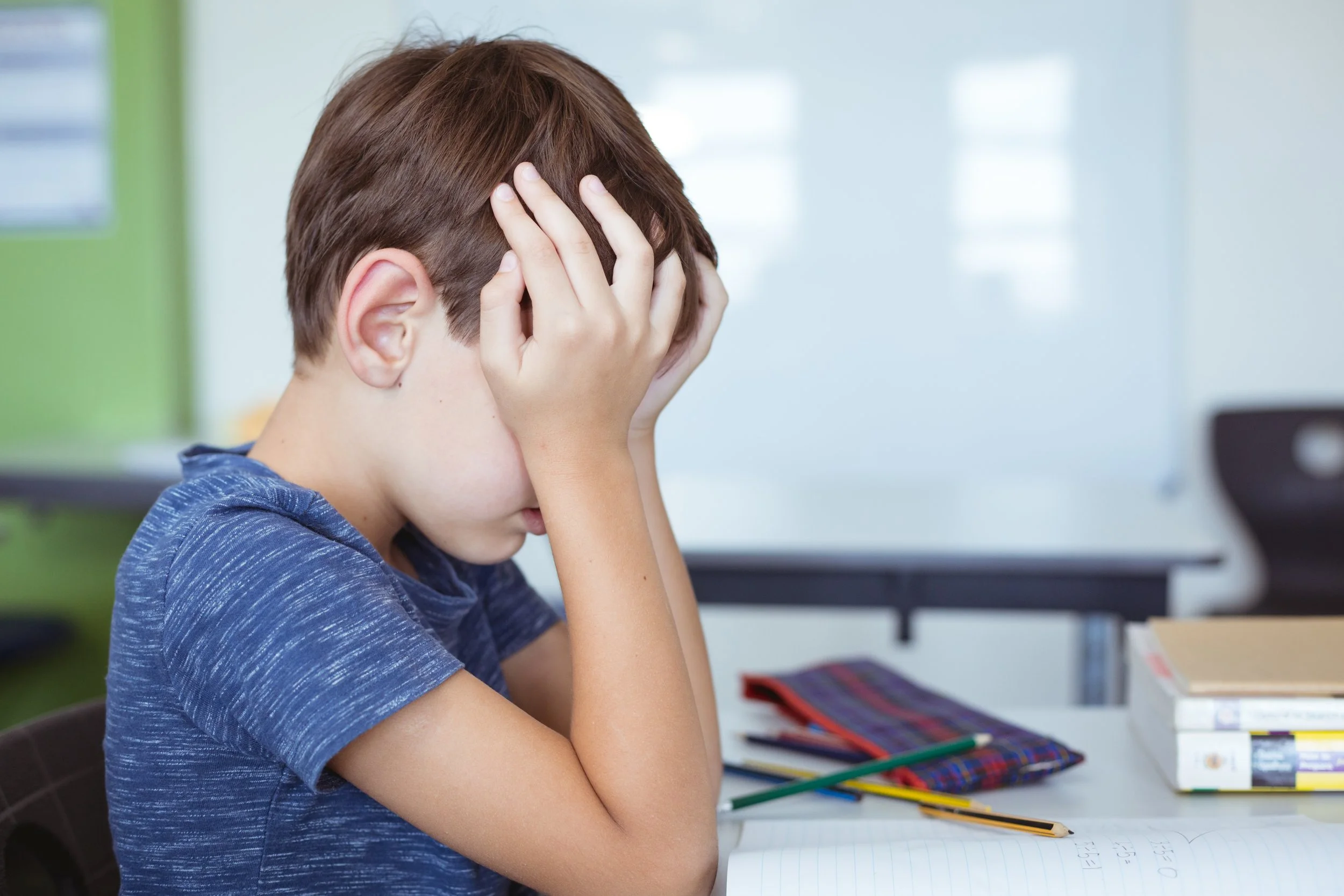
Learning requires focus, persistence, and problem-solving. When a child’s emotions become overwhelming, the brain shifts into a stress response. In that moment, the child’s brain is focused on coping with the feeling, not on the task in front of them.
Children who struggle with emotional regulation may:
● shut down when work feels difficult
● become frustrated quickly
● avoid challenging tasks
● react strongly to mistakes
● have difficulty transitioning between activities
● struggle to return to work after becoming upset
This does not mean the child is unwilling to learn—it means their emotional system needs support.
Signs a Child May Be Struggling With Emotional Regulation
Children express emotional regulation challenges in different ways. Some common signs include:
● frequent meltdowns or emotional outbursts
● shutting down or refusing to participate in work
● difficulty coping with mistakes or feedback
● frustration during homework or academic tasks
● strong reactions to changes in routine
● difficulty calming down after becoming upset
These behaviors are often misunderstood as defiance or lack of motivation, when they are actually signs that the child needs help managing overwhelming feelings.
How Parents Can Support Emotional Regulation at Home
Parents play an important role in helping children build emotional regulation skills. Some helpful strategies include:
1. Validate Your Child’s Feelings
Instead of dismissing emotions, acknowledge them.
For example:
“I can see that this is really frustrating for you.”
Feeling understood helps children calm down more quickly and model how to express their feelings.
2. Teach Calm-Down Strategies
Children benefit from simple tools they can use when emotions rise, such as:
● deep breathing
● short movement breaks
● counting slowly
● squeezing a stress ball
● stepping away from the task briefly
Practicing these skills when children are calm makes them easier to use when emotions escalate.
3. Break Difficult Tasks Into Smaller Steps
Large assignments can feel overwhelming and trigger emotional reactions. Breaking tasks into smaller, manageable pieces helps children experience success and stay regulated.
4. Model Emotional Regulation
Children learn by observing the adults around them. When parents model calm problem-solving and emotional awareness, children begin to internalize those skills.
How Schools Can Support Emotional Regulation
Teachers can help students manage big feelings by providing structured supports such as:
predictable classroom routines
movement or sensory breaks
quiet spaces for calming down
clear expectations and step-by-step instructions
encouragement that focuses on effort rather than perfection
creating a classroom environment that is well-managed and feels safe
When emotional support strategies are consistent across home and school, children are more likely to succeed.
When Emotional Regulation Challenges Need Additional Support
Sometimes emotional regulation difficulties are connected to underlying factors such as:
● anxiety or depression
● ADHD
● executive functioning challenges
● learning differences
● sensory processing differences
When big feelings regularly interfere with learning, a comprehensive evaluation can help identify what support a child needs.
How Mindful LEP Can Help
At Mindful LEP, we work with families to better understand how emotional, cognitive, and academic factors affect a child’s learning experience.
Our comprehensive evaluations examine areas such as:
● academic skills
● attention and executive functioning
● emotional and behavioral functioning
● cognitive abilities and how students process different types of information
This allows us to identify underlying challenges and provide personalized recommendations for home and school support.
Need an evaluation appointment?: Mindful LEP does not currently have a waitlist for assessments - book your evaluation appointment today! Not sure if your child needs an evaluation? Don’t stress! Schedule a FREE consultation with us, and we will address all of your concerns. Call us at (408) 797-5597 for more information!
Takeaway for Parents
Big emotions can feel overwhelming for children, especially when they are already facing challenges at school. Emotional regulation is a skill that develops over time with guidance, patience, and support.
When children learn how to manage frustration, cope with mistakes, and calm their bodies, they are better able to focus, learn, and build confidence.
If you are concerned about your child’s emotional regulation or how it may be affecting learning, Mindful LEP is here to help.
As always, please do not hesitate to reach out to Mindful LEP for a FREE consultation. We would be happy to discuss how we can help your family with:
the academic assessment/evaluation process
therapy/counseling (in person and virtual)
art & play therapy (in person and virtual)
advocacy services (in person and virtual)
We would LOVE for you to share your ideas and thoughts on our next blog topic(s). What would you like us to focus on in the future? Let us know at: info@mindful-lep.com.
